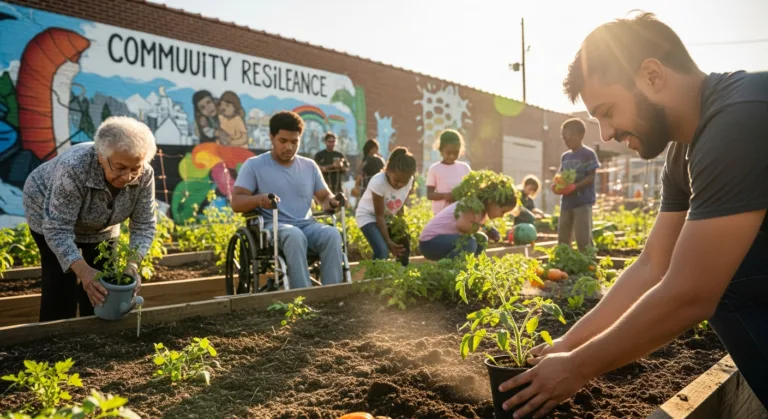
The Allyship Guide to SEO: How to Use Your Platform to Support Marginalized Communities
In today’s digital age, SEO is more than just ranking higher on search engines. It’s a powerful tool for shaping narratives and amplifying voices. Allyship, in this context, means intentionally using your platform to elevate and support marginalized communities. But how can you weave allyship into your SEO strategy in a way that is authentic, impactful, and doesn’t simply exploit these communities for your own gain?
Understanding the Intersection: SEO and Social Impact
The typical approach to SEO focuses on keywords, backlinks, and technical optimizations to improve a website’s ranking. However, a truly ethical and effective SEO strategy considers the social impact of its efforts. It’s about using your platform to promote inclusivity and challenge systemic biases. Think of it as conscious marketing, where you’re not just selling a product or service, but also contributing to a more equitable online environment.
For example, consider the representation of different ethnicities in stock photos. A simple SEO tactic might involve using keywords that reflect a diverse range of people. But authentic allyship goes further, ensuring that the imagery used is respectful, accurate, and avoids harmful stereotypes. It also means actively seeking out and supporting photographers and content creators from marginalized communities.
From my experience working with non-profits, I’ve observed that organizations that prioritize authentic storytelling and representation in their online content tend to build stronger relationships with their target audiences and achieve greater social impact.
Keyword Research with a Conscience: Finding the Right Terms
Traditional keyword research often focuses on search volume and competition. But when integrating allyship into your SEO, you need to consider the intent behind those searches and the potential impact of your content. This means going beyond surface-level keywords and delving into the language and concerns of the communities you want to support.
Here’s how to approach keyword research with a conscience:
- Listen to the community: Engage in conversations on social media, forums, and community groups to understand the language they use and the issues they care about.
- Use inclusive language: Avoid using jargon or terminology that may be alienating or offensive. Opt for language that is respectful, accurate, and inclusive of diverse identities.
- Research related topics: Explore keywords related to social justice, equity, and inclusion to identify opportunities to create content that addresses these issues.
- Consider long-tail keywords: These are longer, more specific phrases that often reflect a user’s intent. Targeting long-tail keywords can help you reach a more engaged and receptive audience. For example, instead of “disability rights,” try “resources for disabled entrepreneurs.”
- Analyze search results: Examine the existing search results for your target keywords to identify gaps in content and opportunities to provide unique and valuable information.
For example, if you’re a travel company, instead of solely focusing on keywords like “best vacation destinations,” you could also target keywords like “accessible travel destinations for wheelchair users” or “eco-friendly travel companies supporting local communities.” This demonstrates a commitment to inclusivity and social responsibility.
Content Creation that Amplifies Voices: Telling Authentic Stories
Creating content that genuinely supports marginalized communities requires more than just using the right keywords. It demands a commitment to authentic storytelling, diverse representation, and the amplification of marginalized voices. This means actively seeking out and collaborating with people from these communities to ensure that their stories are told accurately and respectfully.
Here are some strategies for creating content that amplifies voices:
- Feature diverse perspectives: Include interviews, guest posts, and testimonials from people from marginalized communities.
- Share personal stories: Encourage individuals to share their experiences and perspectives on relevant topics.
- Highlight community initiatives: Showcase organizations and individuals working to address social justice issues.
- Create educational resources: Develop guides, tutorials, and infographics that educate your audience about relevant topics and issues.
- Use inclusive language and imagery: Ensure that your content is free from bias and stereotypes.
For example, a beauty brand could partner with makeup artists and influencers from diverse ethnic backgrounds to create tutorials and reviews that cater to a wider range of skin tones and features. A tech company could highlight the achievements of women and people of color in STEM fields through blog posts and video interviews.
A 2025 study by the Geena Davis Institute on Gender in Media found that increased representation of diverse characters in media led to greater empathy and understanding among viewers.
Technical SEO for Accessibility: Ensuring Everyone Can Access Your Content
Technical SEO involves optimizing your website’s code and structure to improve its visibility and usability. However, it also plays a crucial role in ensuring that your content is accessible to people with disabilities. Ignoring accessibility not only excludes a significant portion of the population but can also negatively impact your search engine rankings.
Here are some key technical SEO considerations for accessibility:
- Use semantic HTML: Use appropriate HTML tags to structure your content logically and provide context for screen readers.
- Provide alternative text for images: Add descriptive alt text to all images to ensure that people who are visually impaired can understand the content.
- Ensure sufficient color contrast: Use color combinations that provide sufficient contrast between text and background to make your content readable for people with low vision.
- Provide captions and transcripts for videos: Add captions and transcripts to all videos to make them accessible to people who are deaf or hard of hearing.
- Make your website keyboard navigable: Ensure that all interactive elements on your website can be accessed and operated using a keyboard.
- Use ARIA attributes: Use Accessible Rich Internet Applications (ARIA) attributes to provide additional information and context for assistive technologies.
Google’s algorithm considers accessibility as a ranking factor. Websites that are more accessible tend to rank higher in search results. You can use tools like the Lighthouse audit in Chrome DevTools or WAVE to identify accessibility issues on your website.
Building Backlinks with Integrity: Supporting Authentic Voices
Backlinks are an essential part of SEO, as they signal to search engines that your website is a credible and authoritative source of information. However, when building backlinks, it’s important to prioritize integrity and support authentic voices. This means avoiding manipulative tactics and focusing on building relationships with websites and organizations that share your values.
Here are some strategies for building backlinks with integrity:
- Guest blogging on relevant websites: Write guest posts for websites that are relevant to your niche and have a strong reputation.
- Participate in industry events: Attend conferences, webinars, and workshops to network with other professionals and build relationships.
- Offer scholarships or grants: Provide financial support to students or organizations that are working on social justice issues.
- Sponsor community events: Support local events and initiatives that align with your values.
- Create valuable content that others will want to link to: Develop high-quality resources that are informative, engaging, and shareable.
For example, instead of simply trying to get backlinks from any website, focus on building relationships with organizations that are working to promote diversity, equity, and inclusion. Offer to write guest posts for their blogs, sponsor their events, or provide them with resources that they can share with their audience.
Measuring Impact and Staying Accountable: Tracking Progress and Making Adjustments
Measuring the impact of your allyship efforts is crucial for ensuring that you’re making a real difference and staying accountable to the communities you’re supporting. This involves tracking key metrics, analyzing data, and making adjustments to your strategy as needed.
Here are some metrics to track:
- Website traffic from diverse audiences: Use Google Analytics to track the demographics of your website visitors and identify any disparities.
- Engagement with content featuring marginalized voices: Monitor the number of shares, comments, and likes on content that features diverse perspectives.
- Brand mentions and sentiment: Track mentions of your brand on social media and other online platforms to gauge public perception.
- Backlinks from diverse websites: Monitor the number of backlinks you’re receiving from websites that are owned or operated by people from marginalized communities.
- Conversion rates for diverse audiences: Track the conversion rates for different demographic groups to identify any disparities in customer experience.
Regularly review your SEO strategy and make adjustments based on the data you collect. Be transparent about your efforts and solicit feedback from the communities you’re supporting. If you’re not seeing the results you expect, be willing to change your approach.
In 2024, HubSpot reported that companies with strong diversity and inclusion programs experienced a 19% increase in revenue compared to those without such programs. This highlights the business benefits of prioritizing allyship and social responsibility.
By integrating allyship into your SEO strategy, you can not only improve your search engine rankings but also contribute to a more equitable and inclusive online environment. It’s a win-win situation for your business and the communities you’re supporting.
Conclusion
Integrating allyship into your SEO strategy is more than just a trend; it’s a responsibility. By focusing on inclusive keyword research, authentic content creation, technical accessibility, and building backlinks with integrity, you can use your platform to amplify the voices of marginalized communities. Remember to measure your impact and stay accountable, making adjustments as needed. Start today by auditing your current SEO practices and identifying areas where you can be more inclusive and supportive.
What is allyship in the context of SEO?
Allyship in SEO means using your platform and SEO strategies to support and uplift marginalized communities. This involves creating inclusive content, optimizing for accessibility, and promoting diverse voices.
How can I make my website more accessible?
You can improve accessibility by using semantic HTML, providing alt text for images, ensuring sufficient color contrast, adding captions and transcripts to videos, and making your website keyboard navigable.
What are some ethical considerations when doing keyword research?
Ethical keyword research involves avoiding offensive or biased language, using inclusive terms, and considering the intent and impact of the keywords you target. Prioritize language used by the communities themselves.
How can I measure the impact of my allyship efforts?
Track metrics such as website traffic from diverse audiences, engagement with content featuring marginalized voices, brand mentions and sentiment, and backlinks from diverse websites.
Why is it important to build backlinks with integrity?
Building backlinks with integrity means focusing on building relationships with reputable websites and organizations that share your values, rather than using manipulative tactics. This supports authentic voices and builds trust.